

Hey there! As a copper foil supplier, one question I get asked a lot is, "Does copper foil have good biocompatibility?" It's an interesting topic that combines the worlds of materials science and biology, so let's dive right in!
First off, let's talk about what biocompatibility actually means. In simple terms, it's how well a material can interact with living tissues without causing any harm or adverse reactions. When it comes to medical devices, implants, or even applications in the food and beverage industry, biocompatibility is a super important factor.
So, does copper foil fit the bill? Well, copper is a pretty unique metal. It's been used by humans for thousands of years, not just for making tools and jewelry but also for its antibacterial and antiviral properties. In fact, copper and its alloys have been shown to have self - sanitizing properties, which can be a huge plus in many applications where hygiene is a concern.
In the medical field, copper has some promising aspects. Some studies have suggested that copper can help in wound healing. When incorporated into wound dressings, copper ions can be released at a controlled rate. These ions have been found to stimulate the growth of new blood vessels and also have antimicrobial effects, which can prevent infections in the wound area. This shows that in some cases, copper can actually have a positive interaction with biological systems.
On the other hand, copper is a heavy metal. And like all heavy metals, in high concentrations, it can be toxic to living organisms. If the body is exposed to excessive amounts of copper, it can lead to health problems such as nausea, vomiting, abdominal pain, and in severe cases, liver and kidney damage.
When it comes to copper foil specifically, its biocompatibility depends on a few key factors. One of them is the purity of the copper. High - purity copper foils are less likely to contain impurities that could cause adverse reactions. For example, if the copper foil is contaminated with other heavy metals like lead or mercury, it can significantly reduce its biocompatibility.
Another important factor is the surface treatment of the copper foil. Some surface treatments can enhance the biocompatibility of the foil. For instance, a thin oxide layer on the surface of the copper foil can act as a barrier, reducing the release of copper ions into the surrounding environment and thus minimizing the risk of toxicity.
Let's take a look at some real - world applications. In the electronics industry, copper foil is widely used in printed circuit boards (PCBs). While this isn't a direct biological application, it's worth noting that PCBs can be used in medical devices. For example, in some implantable medical devices, the PCBs need to be biocompatible. The copper foil used in these PCBs needs to be carefully selected and treated to ensure that it won't cause any harm to the body over time.
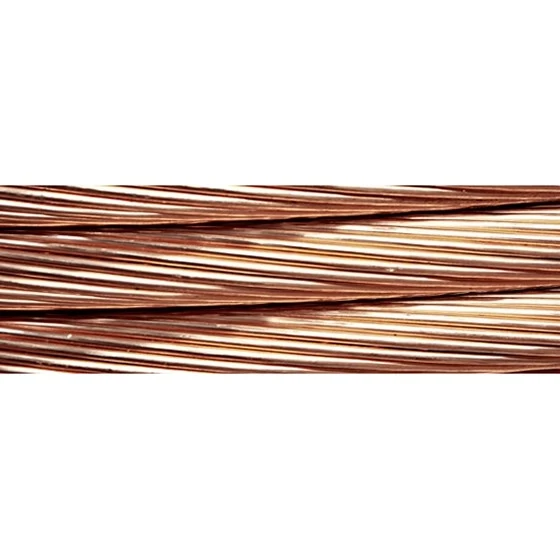
Now, if you're in the market for high - quality copper foil, we've got you covered. We offer a range of copper foils, including Hard Drawn Copper Foil, which has excellent mechanical properties and is suitable for various applications. Our Copper Foil For Transformer is specifically designed to meet the requirements of transformer manufacturing. And if you need a copper foil with high strength, our High Tensile Strength Copper Foil is the perfect choice.
In conclusion, copper foil can have good biocompatibility under the right conditions. The purity of the copper, surface treatment, and the specific application all play crucial roles in determining how well it will interact with living tissues. If you're considering using copper foil in a project where biocompatibility is important, it's always a good idea to do some more in - depth research and consult with experts.

If you're interested in purchasing our copper foils or have any questions about their suitability for your project, don't hesitate to reach out. We're here to help you make the best choice for your needs. Whether you're in the medical, electronics, or any other industry, we can provide you with high - quality copper foil solutions.
References:
- "Copper in Wound Healing: A Review" by X. Y. Zhang et al.
- "Biocompatibility of Metallic Materials" in the Journal of Biomedical Materials Research.
- "The Antibacterial and Antiviral Properties of Copper" from the International Copper Association.