

Hey there! As a supplier of Rigid Copper Bars, I often get asked whether these bars are corrosion-resistant. It's a super important question, especially for those in industries where reliability and durability are key. So, let's dive right into it and explore the ins and outs of the corrosion resistance of rigid copper bars.

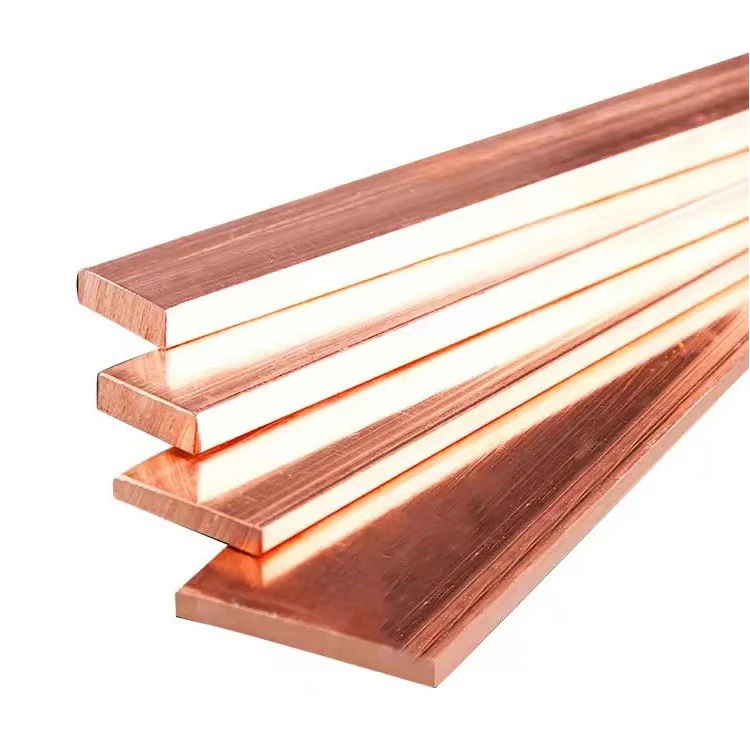
First off, what are Rigid Copper Bars? Well, they're widely used in electrical applications, like power distribution systems, electrical panels, and switchgear. You can check out more about them on our website Rigid Copper Bar. They're known for their high conductivity, which makes them a top choice for carrying electrical current efficiently.
Now, let's talk about corrosion. Corrosion is basically the deterioration of a material due to chemical reactions with its environment. For metals, it often involves oxidation, where the metal reacts with oxygen in the air or other substances. So, are rigid copper bars prone to this kind of deterioration?
The good news is that copper, in general, has a natural resistance to corrosion. When exposed to air, copper forms a thin layer of copper oxide on its surface. This layer acts as a protective barrier, preventing further oxidation and corrosion. It's like a shield that keeps the underlying copper safe from the elements.
However, this doesn't mean that copper is completely immune to corrosion. There are certain conditions that can accelerate the corrosion process. For example, in environments with high humidity, copper can react with moisture in the air, leading to the formation of copper hydroxide or copper carbonate. These compounds can cause the surface of the copper bar to turn greenish - a phenomenon you might have seen on old copper statues or roofs.
Another factor that can affect the corrosion resistance of rigid copper bars is the presence of contaminants. If the bars are exposed to chemicals like sulfur compounds, acids, or salts, the protective oxide layer can be damaged, and corrosion can occur more rapidly. For instance, in industrial areas where there are high levels of air pollution, the sulfur dioxide in the air can react with copper, causing pitting corrosion.
So, how can we ensure that our rigid copper bars remain corrosion - resistant? One way is to choose the right type of copper. We offer Oxygen - free Copper Busbar, which has a very low oxygen content. This type of copper is less likely to form internal oxides, which can weaken the material and make it more susceptible to corrosion.
Another option is our High Conductivity Copper Busbar. These bars are made from high - purity copper, which means they have fewer impurities that could potentially cause corrosion. The high conductivity also means that they generate less heat during operation, which can help to reduce the risk of thermal - related corrosion.
In addition to choosing the right type of copper, proper installation and maintenance are also crucial. When installing rigid copper bars, it's important to ensure that they are properly insulated and protected from the environment. This can include using protective coatings or enclosures to prevent direct contact with moisture and contaminants.
Regular maintenance is also essential. Inspecting the bars periodically for signs of corrosion, such as discoloration or pitting, can help to catch any issues early on. If corrosion is detected, appropriate measures can be taken, such as cleaning the surface or applying a protective coating.
Let's take a look at some real - world examples. In a power distribution system, rigid copper bars are used to carry large amounts of electrical current. If these bars were to corrode, it could lead to increased resistance, which in turn could cause overheating and potential system failures. By using corrosion - resistant copper bars and following proper maintenance procedures, the reliability and lifespan of the system can be significantly improved.
In the marine industry, copper bars are often used in electrical systems on ships. The harsh marine environment, with its high salt content and humidity, can be very corrosive. However, by using high - quality, corrosion - resistant copper bars and protecting them with appropriate coatings, the electrical systems can operate safely and efficiently for a long time.
In conclusion, while rigid copper bars do have a natural resistance to corrosion, it's important to be aware of the factors that can affect their performance. By choosing the right type of copper, ensuring proper installation, and carrying out regular maintenance, we can maximize the corrosion resistance of these bars and ensure their long - term reliability.
If you're in the market for high - quality, corrosion - resistant rigid copper bars, we're here to help. Whether you're working on a small electrical project or a large - scale industrial installation, we have the products and expertise to meet your needs. Don't hesitate to reach out to us for more information or to discuss your specific requirements. We're looking forward to working with you and helping you find the perfect solution for your electrical needs.
References:
- "Corrosion of Metals" by Uhlig, H. H.
- "Copper and Copper Alloys" in the ASM Handbook, Volume 2: Properties and Selection: Nonferrous Alloys and Special - Purpose Materials.