

Over time, the color change of red copper sheets is a fascinating phenomenon that not only reflects the metal's chemical properties but also has practical implications for various industries. As a supplier of Red Copper Sheets, I've witnessed firsthand the transformations these sheets undergo and understand the factors that influence their color evolution.
Initial Appearance of Red Copper Sheets
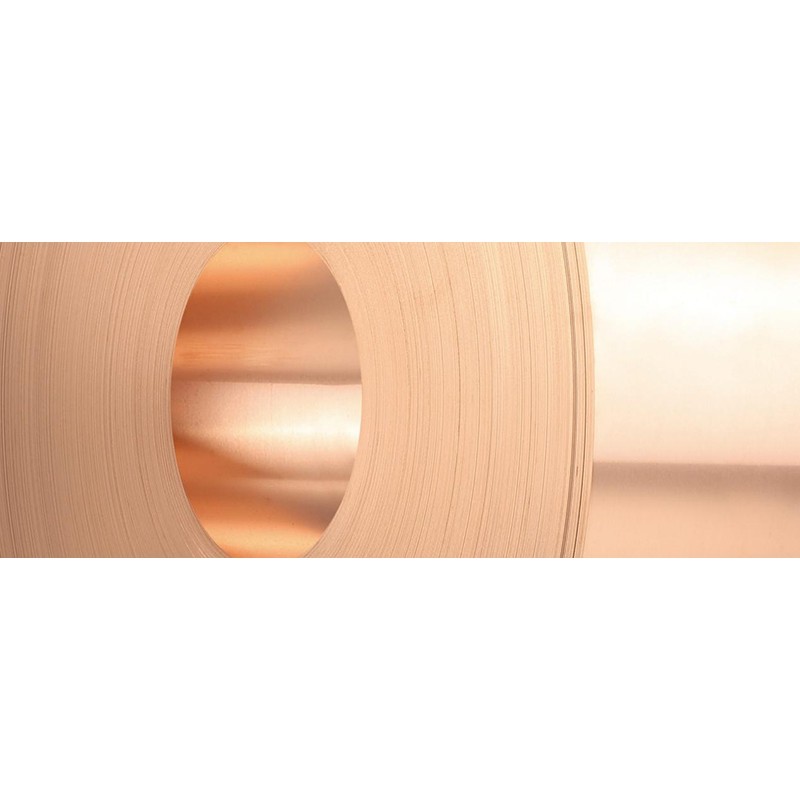
When freshly manufactured, red copper sheets boast a vibrant, warm color that is truly eye - catching. The characteristic red color is due to the high purity of copper in these sheets. Copper has a unique atomic structure that allows it to absorb and reflect light in a way that gives it this distinct hue. Our Red Copper Sheet products are made with meticulous attention to detail, ensuring that the initial red color is rich and uniform across the entire sheet.
The Influence of Oxidation
The most common factor leading to color change in red copper sheets is oxidation. Copper is a relatively reactive metal, and when exposed to oxygen in the air, it begins to form a thin layer of copper oxide on its surface. This process starts almost immediately, although the rate of oxidation can vary depending on environmental conditions.
In normal indoor environments with relatively stable temperature and humidity, the oxidation process is slow. At first, the red copper sheet may develop a slightly duller appearance as the copper oxide layer starts to form. This layer is usually a light brown or pinkish - brown color. As time goes on, the oxide layer thickens, and the color deepens to a darker brown or even a blackish - brown.
In outdoor environments, the oxidation process is accelerated. Factors such as higher humidity, exposure to rain, and pollutants in the air can all contribute to a faster rate of oxidation. For example, in coastal areas where the air contains salt particles, the red copper sheet will oxidize more rapidly. The salt acts as a catalyst, promoting the reaction between copper and oxygen. The resulting oxide layer may be a greenish - blue color, commonly known as patina. This patina is actually a complex mixture of copper salts, including copper carbonate and copper hydroxide.
Other Environmental Factors Affecting Color Change
Apart from oxidation, other environmental factors can also influence the color change of red copper sheets. Temperature plays a significant role. Higher temperatures generally increase the rate of chemical reactions, including oxidation. In a hot and humid environment, the red copper sheet will change color more quickly compared to a cold and dry one.

Exposure to chemicals can also cause color changes. For instance, if the red copper sheet comes into contact with acidic substances, such as vinegar or certain industrial chemicals, it can react with the acid to form different copper compounds. These compounds may have different colors, ranging from green to blue or even purple, depending on the type of acid and the reaction conditions.
Impact on Applications
The color change of red copper sheets can have both positive and negative impacts on their applications. In some cases, the color change is actually desirable. For example, in architecture and decorative arts, the patina that forms on red copper sheets is highly valued for its aesthetic appeal. The greenish - blue patina gives buildings and artworks a sense of age and character. Many historical buildings around the world feature copper roofs and facades that have developed a beautiful patina over time.
On the other hand, in some industrial applications, the color change may be a problem. For example, in electrical applications, the formation of an oxide layer on the surface of red copper sheets can increase electrical resistance. This can lead to energy losses and reduced efficiency in electrical systems. In such cases, measures need to be taken to prevent or slow down the oxidation process, such as applying protective coatings or storing the copper sheets in a controlled environment.
Our Product Range and Solutions
As a supplier of red copper sheets, we understand the importance of providing high - quality products that meet the diverse needs of our customers. In addition to our standard Red Copper Sheet products, we also offer Oxygen - free Copper Sheet and High Purity Copper Sheet.
Oxygen - free copper sheets have a very low oxygen content, which makes them less prone to oxidation. This is ideal for applications where color stability and electrical conductivity are crucial, such as in high - end electrical equipment. High - purity copper sheets have an even higher copper content, which further enhances their performance in various applications.
We also provide solutions to help our customers manage the color change of red copper sheets. For customers who want to maintain the original red color of the sheets, we can offer protective coatings that can slow down the oxidation process. For those who desire the patina effect, we can provide advice on how to accelerate the formation of patina in a controlled manner.
Contact Us for Procurement
If you are interested in our red copper sheets or have any questions about the color change and applications of these sheets, we encourage you to contact us for procurement discussions. Our team of experts is ready to provide you with detailed information and customized solutions to meet your specific needs. Whether you are an architect looking for decorative copper sheets or an industrial manufacturer in need of high - performance copper materials, we have the products and expertise to serve you.
References
- Callister, W. D., & Rethwisch, D. G. (2010). Materials Science and Engineering: An Introduction. Wiley.
- Schlesinger, M., & Paunovic, M. (Eds.). (2000). Modern Electroplating. Wiley - Interscience.
- Uhlig, H. H., & Revie, R. W. (1985). Corrosion and Corrosion Control: An Introduction to Corrosion Science and Engineering. Wiley.