

Is a copper rod suitable for making bearings?
When it comes to the manufacturing of bearings, the choice of material plays a pivotal role in determining the performance, durability, and overall efficiency of the final product. As a supplier of copper rods, I've often been asked whether copper rods are suitable for making bearings. In this blog, I'll delve into the properties of copper rods, the requirements of bearings, and analyze the suitability of using copper rods in bearing production.

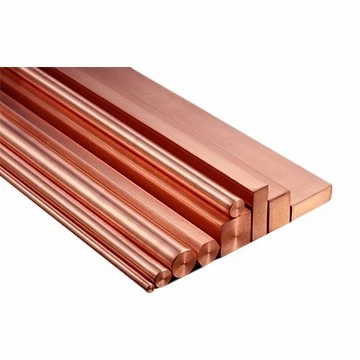
Properties of Copper Rods
Copper is a well - known metal with a rich history of use in various industries. Copper rods, in particular, possess several key properties that make them an interesting option for bearing applications.
High Thermal Conductivity
One of the standout features of copper is its high thermal conductivity. This means that copper rods can efficiently transfer heat away from the bearing surface. In high - speed or high - load bearing operations, a significant amount of heat is generated due to friction. If this heat is not dissipated effectively, it can lead to a rise in temperature, which may cause the bearing material to expand, reduce lubricant viscosity, and ultimately result in premature wear and failure. Copper rods can help maintain a more stable temperature within the bearing, thus potentially extending its service life.
Good Electrical Conductivity
Copper is also renowned for its excellent electrical conductivity. In some specialized bearing applications, such as those in electrical machinery, the ability to conduct electricity can be an advantage. For example, in bearings used in electric motors, having a conductive material can help to dissipate static electricity that may build up during operation, reducing the risk of electrical arcing and damage to the bearing and surrounding components.
Malleability and Ductility
Copper rods are malleable and ductile, which means they can be easily shaped and formed. This property is beneficial during the manufacturing process of bearings. Complex bearing designs can be achieved through processes like forging, machining, and extrusion. For instance, we offer Precision Extrusion Rod that can be precisely shaped to meet the specific requirements of different bearing geometries.
Corrosion Resistance
Copper has a certain degree of corrosion resistance, especially in comparison to some other metals. In environments where the bearing is exposed to moisture, chemicals, or other corrosive agents, copper can provide better protection against rust and degradation. This is particularly important for bearings used in outdoor or industrial settings where they may be subject to harsh conditions.
Requirements of Bearings
Bearings are designed to support loads, reduce friction, and ensure smooth rotation between moving parts. To meet these functions effectively, bearings need to possess specific properties.
High Hardness and Wear Resistance
Bearings are constantly subjected to friction and wear as they support rotating or sliding components. Therefore, a high level of hardness is required to resist deformation and wear. Harder materials can maintain their shape and surface integrity over time, reducing the need for frequent replacements.
Low Friction Coefficient
A low friction coefficient is essential for bearings to minimize energy loss and improve efficiency. A bearing with a high friction coefficient will generate more heat, consume more power, and may cause premature wear of both the bearing and the mating parts.
Fatigue Resistance
Bearings often experience cyclic loading during operation. Fatigue resistance is crucial to prevent cracking and failure due to repeated stress. A bearing material should be able to withstand a large number of loading cycles without significant degradation.
Suitability Analysis
Advantages of Using Copper Rods for Bearings
As mentioned earlier, the thermal and electrical conductivity of copper rods can be beneficial for certain bearing applications. In addition, the malleability and corrosion resistance make copper a viable choice for custom - designed bearings in harsh environments. For example, in marine applications where bearings are exposed to saltwater, the corrosion - resistant property of copper can help extend the bearing's lifespan.
Our Round Copper Rod can be used as a base material for manufacturing bearings with a simple round shape. The round shape is a common and fundamental design for many types of bearings, and the properties of copper can enhance its performance in specific scenarios.
Limitations of Using Copper Rods for Bearings
However, copper also has some limitations when it comes to bearing applications. One of the main drawbacks is its relatively low hardness compared to some other bearing materials such as steel or ceramics. This means that copper bearings may wear out more quickly under high - load or high - speed conditions. The lower hardness also makes copper more prone to deformation, which can affect the accuracy and performance of the bearing.
Another issue is the friction coefficient. While copper has good lubrication properties to some extent, its friction coefficient may not be as low as that of some specialized bearing materials. This can lead to higher energy consumption and more heat generation in the bearing.
Solutions and Improvements
To overcome the limitations of using copper rods for bearings, several solutions can be considered.
Alloying
Alloying copper with other elements can significantly improve its hardness, wear resistance, and other properties. For example, adding tin to copper forms bronze, which has higher hardness and better wear resistance than pure copper. Our Cu - phos Ball is a type of copper - based alloy product that can be used in bearing manufacturing. The addition of phosphorus can enhance the mechanical properties of the copper, making it more suitable for bearing applications.
Surface Treatment
Surface treatment techniques such as plating, nitriding, or coating can be applied to copper bearings to improve their hardness and wear resistance. These treatments can create a hard and wear - resistant surface layer on the copper bearing, while still retaining the beneficial properties of the copper substrate.
Conclusion
In conclusion, copper rods have both advantages and limitations when it comes to making bearings. Their high thermal and electrical conductivity, malleability, and corrosion resistance make them suitable for certain specialized bearing applications, especially in environments where these properties are highly valued. However, their relatively low hardness and higher friction coefficient compared to some other materials pose challenges for general - purpose, high - load, and high - speed bearing applications.
By using alloying and surface treatment techniques, the performance of copper - based bearings can be significantly improved. As a copper rod supplier, we are committed to providing high - quality copper rod products and technical support to help our customers find the most suitable solutions for their bearing manufacturing needs.
If you are interested in using copper rods for bearing production or have any questions about our products, please feel free to contact us for further discussion and procurement negotiation. We look forward to working with you to create high - performance bearings.
References
- ASM Handbook, Volume 2: Properties and Selection: Nonferrous Alloys and Special - Purpose Materials
- Tribology Handbook, Edited by Bhushan, Bharat