

As a seasoned supplier of copper alloy plates, I've witnessed firsthand the diverse applications and stringent requirements these materials must meet. Copper alloy plates are integral to numerous industries, from construction and electronics to automotive and marine sectors. But what exactly are the standards for copper alloy plates? Let's delve into this topic to understand the key criteria that define high - quality copper alloy plates.
Chemical Composition
The chemical composition of copper alloy plates is the cornerstone of their performance. Different alloying elements are added to copper to enhance specific properties. For example, bronze, an alloy of copper and tin, is well - known for its excellent corrosion resistance and high strength. There are Various Types Of Bronze Plates available, each with a unique chemical makeup. Some bronzes may also contain small amounts of other elements like phosphorus, which can improve wear resistance and machinability.
Brass, on the other hand, is an alloy of copper and zinc. The proportion of zinc can vary significantly, affecting the mechanical and physical properties of the brass. Lead brass, a type of brass with added lead, offers improved machinability. You can find more about Lead Brass Plate on our website. The presence of lead allows for easier cutting and shaping, making it a popular choice in applications where precision machining is required.
In addition to tin, zinc, and lead, other elements such as nickel, aluminum, and silicon can also be added to copper to form different alloys. Each element contributes to the overall characteristics of the alloy, and strict control of the chemical composition is essential to ensure consistent quality.
Mechanical Properties
Mechanical properties are crucial when it comes to determining the suitability of copper alloy plates for different applications. Tensile strength, yield strength, and elongation are among the most important mechanical properties. Tensile strength refers to the maximum stress a material can withstand before breaking under tension. Yield strength is the stress at which a material begins to deform plastically. Elongation measures the ability of a material to stretch before fracturing.
For example, in structural applications, high tensile and yield strengths are often required to ensure the plate can support heavy loads without failure. In contrast, for applications where the plate needs to be bent or formed, good elongation properties are essential. Different copper alloys offer a wide range of mechanical properties, allowing them to be tailored to specific needs.
Hardness is another important mechanical property. Harder copper alloy plates are more resistant to wear and deformation, making them suitable for applications such as bearings and gears. However, increasing hardness may also reduce the ductility of the material. Therefore, a balance between hardness and other mechanical properties must be achieved during the alloy design and manufacturing process.
Physical Properties
Physical properties such as thermal conductivity, electrical conductivity, and density also play a significant role in the selection of copper alloy plates. Copper is well - known for its excellent thermal and electrical conductivity, and these properties are often enhanced or modified in copper alloys.
In electrical applications, high electrical conductivity is crucial to minimize power losses. Copper alloy plates with high electrical conductivity are used in electrical connectors, circuit boards, and power transmission lines. Similarly, in heat exchangers and cooling systems, high thermal conductivity is required to efficiently transfer heat.
The density of copper alloy plates can also affect their use. For applications where weight is a concern, such as in aerospace or automotive industries, alloys with lower density may be preferred. However, it's important to note that density is often related to other properties, and a trade - off may need to be made.
Surface Quality
The surface quality of copper alloy plates is essential for both aesthetic and functional reasons. A smooth and clean surface is not only visually appealing but also helps to prevent corrosion and improve the adhesion of coatings or finishes.
In decorative applications, such as Decorative Copper Sheets, the surface finish is of utmost importance. A high - quality surface finish can enhance the appearance of the product and make it more attractive to consumers. For functional applications, a good surface quality can reduce friction, improve the fit between components, and prevent the accumulation of dirt and debris.
Surface defects such as scratches, pits, and inclusions can compromise the performance of the copper alloy plate. Therefore, strict quality control measures are in place during the manufacturing process to ensure that the surface meets the required standards.
Dimensional Accuracy
Dimensional accuracy is critical for copper alloy plates, especially in applications where precise fitting is required. The thickness, width, and length of the plate must be within specified tolerances.
In machining operations, even small deviations in dimensions can lead to assembly problems or reduced performance of the final product. For example, in the production of electronic components, the exact dimensions of the copper alloy plate are essential to ensure proper connection and functionality.

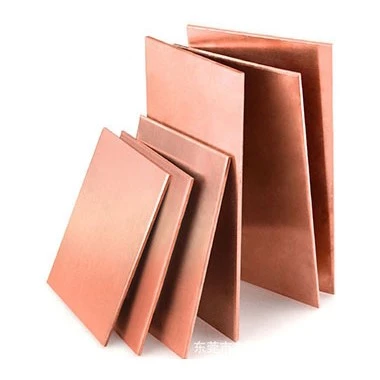
Advanced manufacturing techniques and quality control systems are used to achieve high - dimensional accuracy. This includes the use of precision cutting and rolling equipment, as well as regular inspections during the production process.
Corrosion Resistance
Corrosion resistance is a key consideration for copper alloy plates, especially in environments where they are exposed to moisture, chemicals, or other corrosive agents. Different copper alloys offer varying degrees of corrosion resistance.
Bronze, for example, is highly resistant to corrosion in seawater, making it a popular choice for marine applications such as ship hulls, propellers, and underwater pipes. Brass also has good corrosion resistance in many environments, but its performance can be affected by the presence of certain elements and the specific environmental conditions.
To enhance corrosion resistance, copper alloy plates can be treated with protective coatings or finishes. These coatings can act as a barrier between the plate and the corrosive environment, preventing the onset of corrosion.
Certification and Compliance
In addition to meeting the above - mentioned standards, copper alloy plates may also need to comply with various industry standards and certifications. These standards ensure that the plates are safe, reliable, and meet the requirements of different applications.
For example, in the automotive industry, copper alloy plates may need to comply with standards set by organizations such as the Society of Automotive Engineers (SAE). In the construction industry, plates may need to meet building codes and regulations.
Certifications such as ISO 9001 for quality management systems and ISO 14001 for environmental management systems can also provide assurance of the supplier's commitment to quality and sustainability.
Conclusion
The standards for copper alloy plates are multifaceted, encompassing chemical composition, mechanical and physical properties, surface quality, dimensional accuracy, corrosion resistance, and certification. As a supplier of copper alloy plates, we are committed to meeting and exceeding these standards to provide our customers with high - quality products.
Whether you are in the construction, electronics, automotive, or marine industry, our copper alloy plates can be tailored to your specific needs. We have a wide range of products available, including Various Types Of Bronze Plates, Lead Brass Plate, and Decorative Copper Sheets.
If you are interested in purchasing copper alloy plates or have any questions about our products, please feel free to contact us. We look forward to discussing your requirements and providing you with the best solutions.
References
- ASM Handbook Committee. ASM Handbook, Volume 2: Properties and Selection: Nonferrous Alloys and Special - Purpose Materials. ASM International, 2001.
- Metals Handbook Committee. Metals Handbook: Properties and Selection: Nonferrous Alloys and Pure Metals. American Society for Metals, 1979.
- Copper Development Association. Copper and Copper Alloys: Properties, Applications, and Specifications. Copper Development Association, 2015.