Description:
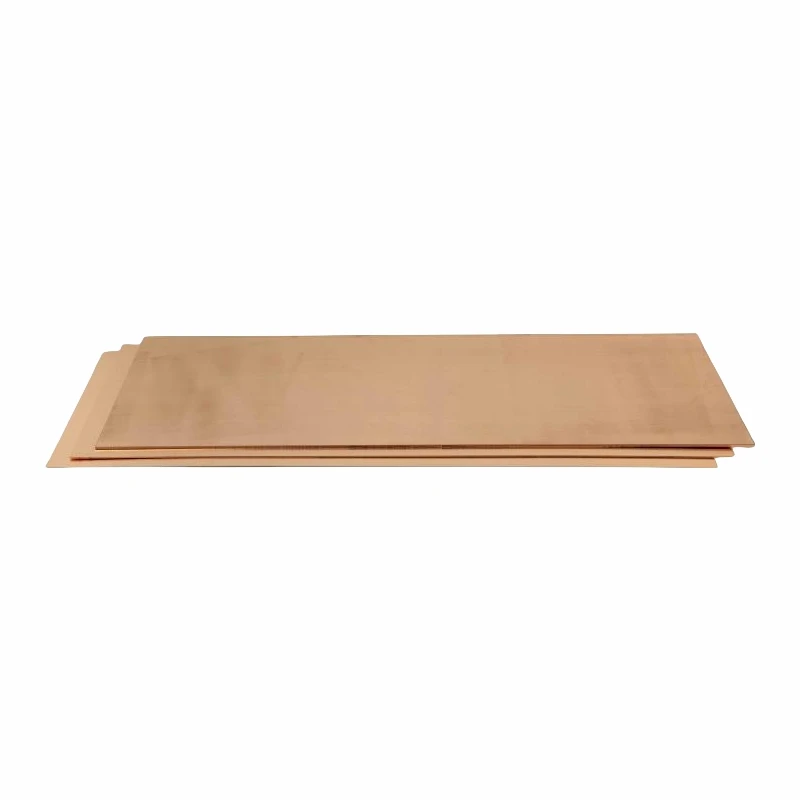
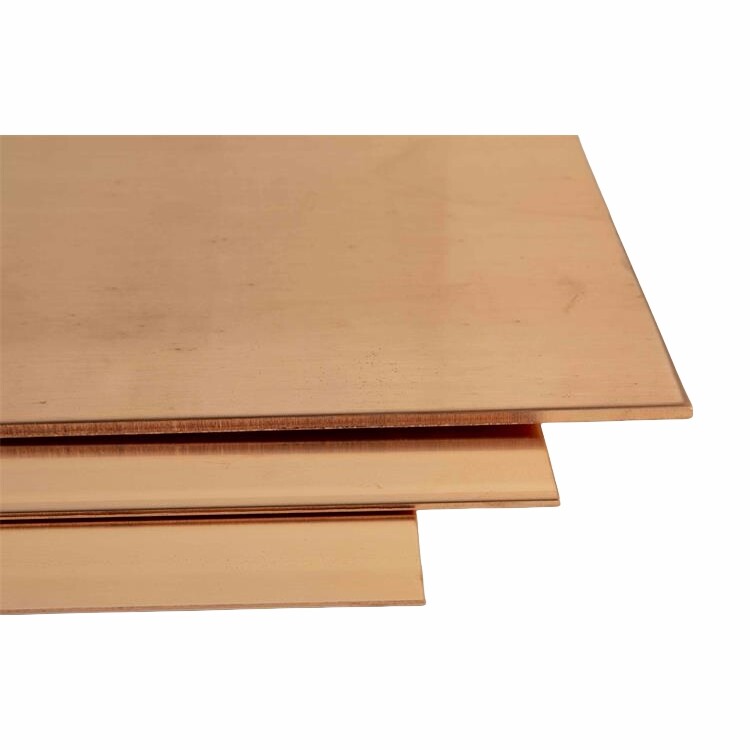
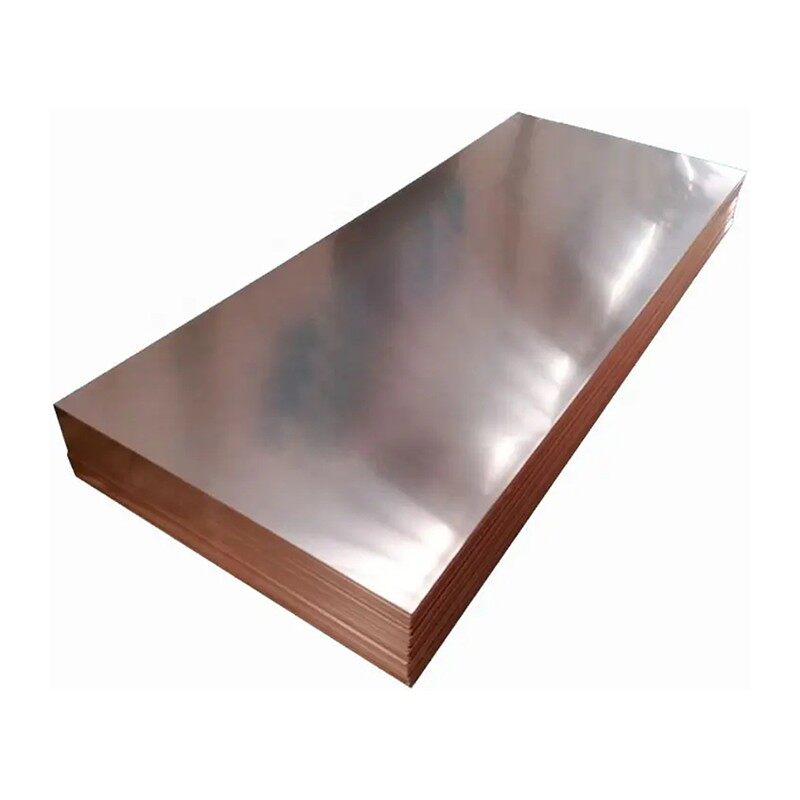
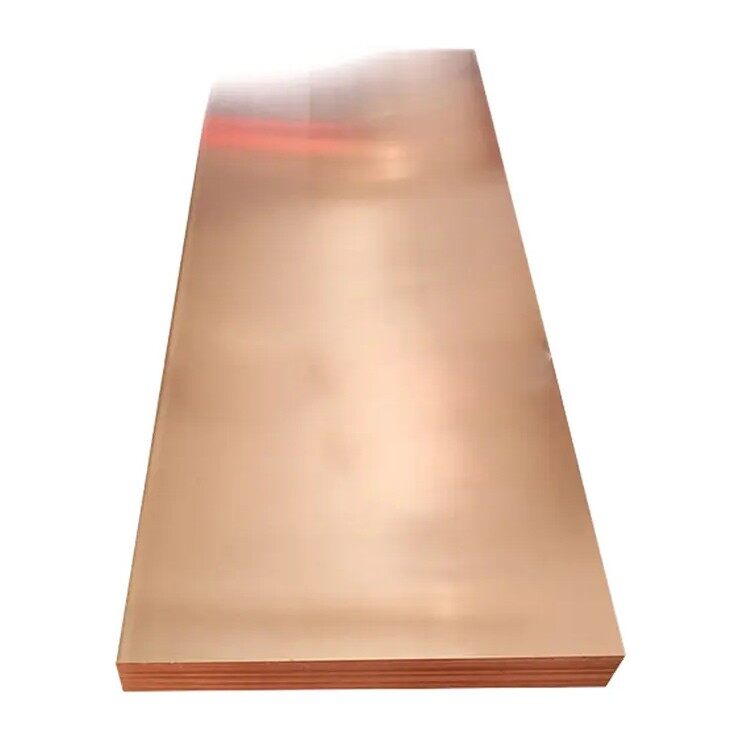
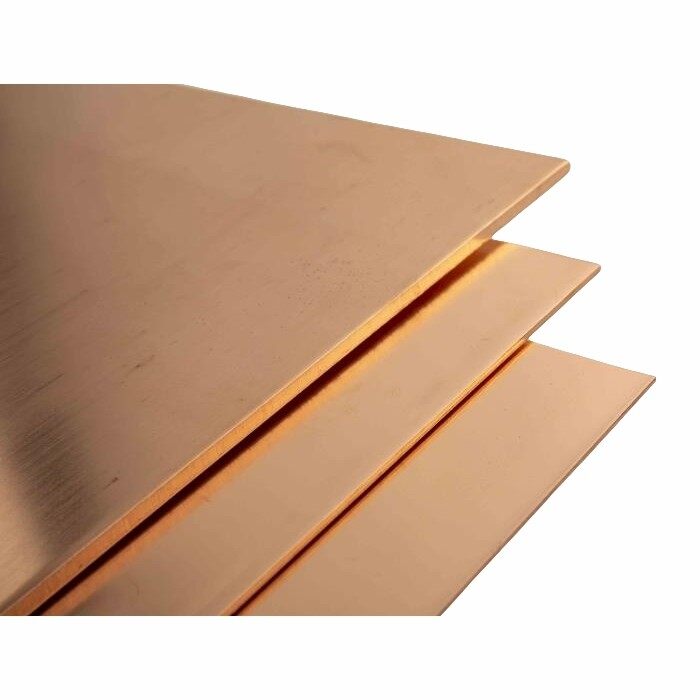
| Alloy Types | Phosphor Bronze, Tin Bronze, Aluminum Bronze, Beryllium Bronze. |
| Specification | Thickness 0.2-50mm, Width ≤3000mm, Length≤6000mm. |
| Temper | O, 1/4H, 1/2H, H, EH, SH |
Product Details Of Different Bronze Alloy Plate:
- Phosphor Bronze Plate
Phosphor bronze plate or tin bronze sheet is a copper alloy that contains 0.5% to 11% tin and 0.01% to 0.35% phosphorus.
Phosphor bronze alloys are mainly applied in electrical products because they have excellent elastic properties, high fatigue resistance, excellent formability, and high corrosion resistance. The addition of tin improves the corrosion resistance and strength of the alloy. The addition of phosphorus enhances the wear resistance and hardness of the alloy. Other applications include corrosion-resistant corrugated tubes, diaphragms, spring washers, bushings, bearings, shafts, gears, thrust washers, and valve components.
- Tin Bronze Plate
Tin bronze plates are sturdy and hard, with extremely high ductility. The combination of these properties makes them have excellent load-bearing capacity, good wear resistance, and impact resistance.
The main role of tin is to enhance the strength of these bronze alloys. Tin bronze is sturdy and hard, with extremely high ductility. This combination of properties enables them to have high load-bearing capacity, good wear resistance, and impact resistance. These alloys have excellent corrosion resistance in seawater and salt water. Common industrial applications include fittings, gears, bushings, bearings, pump impellers, etc. at temperatures up to 550°F.
- Aluminum Bronze Plate
Aluminum bronze alloy plates are widely used due to their high strength as well as excellent corrosion resistance and wear resistance. Aluminum bronze is a common cast aluminum bronze with high strength characteristics and excellent wear and corrosion resistance. Although this alloy is supplied in a cast form, its mechanical properties can be enhanced through heat treatment to meet more demanding application requirements.
Aluminum bronze alloys are used in marine hardware, shafts, pumps and valve components for handling seawater, acidic mineral water, non-oxidizing acids and industrial process fluids. They are also used in applications such as heavy shaft sleeve bearings and machine tool guideways. Aluminum bronze castings have excellent corrosion resistance, high strength, toughness and wear resistance. Not to mention its good casting and welding properties.
- Beryllium Bronze Plate
Beryllium copper plate, also known as spring copper or beryllium bronze, is one of the strongest copper-based alloy plates currently available on the market. Commercial grades of beryllium copper contain 0.4% to 2.0% beryllium. The ratio of beryllium to copper is small, which enables it to form a family of high-strength alloys, with their strength comparable to that of alloy steel. The main characteristics of these alloys are their excellent response to precipitation hardening treatment, excellent thermal conductivity, and the ability to resist stress relaxation.
Beryllium copper and its various alloys are used in very specific and often custom-designed applications, such as oilfield tools, aerospace landing gear, robot welding, and mold manufacturing applications. Additionally, its non-magnetic property makes it highly suitable for use in downhole cable tools. These specific applications are the reason why this copper is called spring copper and has other various names.
Our company WINBEST provides products of various shapes and sizes to meet your project requirements, including sheets, strips, plates, wires, rods, and round bars.