

Hey there! As a supplier of Tinned Copper Rod, I often get asked about the tinning process for copper rod. So, I thought I'd break it down for you in this blog post.
First off, let's talk about why we even bother tinning copper rods. Copper is a great conductor of electricity and heat, but it has a bit of a flaw - it oxidizes when exposed to air. Oxidation can form a layer on the copper surface, which can increase resistance and reduce the efficiency of electrical conductivity. Tinning, which is the process of coating copper with a thin layer of tin, helps prevent this oxidation. It also improves solderability, making it easier to join the copper rod to other components in electrical applications.
Now, let's dive into the tinning process itself. There are a few different methods, but the most common ones are hot-dip tinning and electroplating.
Hot - Dip Tinning
Hot - dip tinning is a traditional and widely used method. It involves dipping the copper rod into a bath of molten tin. Here's a step - by - step breakdown of how it works:
- Pre - cleaning: Before the copper rod goes into the tin bath, it needs to be thoroughly cleaned. Any dirt, grease, or oxides on the surface can prevent the tin from adhering properly. Usually, the rod is first degreased using solvents. Then, it might go through an acid pickling process to remove any oxidation layers. This leaves the copper surface clean and ready for tinning.
- Flux application: After cleaning, a flux is applied to the copper rod. Flux is a chemical compound that helps remove any remaining oxides on the surface and promotes wetting. Wetting is the ability of the molten tin to spread evenly over the copper surface. A good flux ensures a strong bond between the copper and the tin.
- Dipping into the tin bath: Once the flux is applied, the copper rod is carefully dipped into a bath of molten tin. The temperature of the tin bath is typically around 232 - 250°C (the melting point of tin is 231.93°C). The rod is held in the bath for a certain period of time, usually a few seconds to a minute, depending on the thickness of the tin coating required.
- Removing excess tin: After the rod is taken out of the tin bath, there might be some excess tin on the surface. This can be removed by techniques like wiping or spinning the rod. This step helps ensure a smooth and uniform tin coating.
- Cooling: Finally, the tinned copper rod is cooled. This can be done in air or by using a cooling medium like water. Cooling helps solidify the tin coating and gives it the desired mechanical properties.
Electroplating
Electroplating is another method of tinning copper rods. It's a bit more precise and can be used to achieve very thin and uniform tin coatings. Here's how it works:
- Surface preparation: Just like in hot - dip tinning, the copper rod needs to be cleaned before electroplating. This involves degreasing and pickling to remove any contaminants and oxidation.
- Electrolyte bath setup: An electrolyte bath is prepared. The electrolyte is a solution that contains tin ions. Usually, it's a mixture of tin salts and other additives. The copper rod acts as the cathode (negative electrode), and a tin anode (positive electrode) is also placed in the bath.
- Electroplating process: When an electric current is passed through the electrolyte bath, tin ions from the solution are attracted to the copper rod (the cathode). The tin ions gain electrons at the surface of the copper rod and are deposited as a thin layer of tin. The thickness of the tin coating can be controlled by adjusting the current density and the plating time.
- Post - plating treatment: After electroplating, the tinned copper rod might go through some post - plating treatments. This can include rinsing to remove any residual electrolyte, and sometimes a passivation treatment to improve the corrosion resistance of the tin coating.
Advantages of Tinned Copper Rod
Tinned copper rods have several advantages, which is why they are so popular in various industries.
- Corrosion resistance: As mentioned earlier, the tin coating protects the copper from oxidation and corrosion. This makes tinned copper rods suitable for use in harsh environments, such as outdoor electrical installations or in areas with high humidity.
- Improved solderability: Tinned copper rods are much easier to solder compared to bare copper rods. The tin coating provides a better surface for solder to adhere to, which results in stronger and more reliable solder joints.
- Aesthetics: The shiny tin coating gives the copper rod a more appealing appearance. This can be important in applications where the appearance of the product matters, such as in decorative electrical fixtures.
Applications of Tinned Copper Rod
Tinned copper rods are used in a wide range of applications, including:
- Electrical wiring: Tinned copper rods are commonly used in electrical wiring, especially in applications where corrosion resistance is crucial. They can be found in power cables, control cables, and wiring for electronic devices.
- Transformers and motors: In transformers and motors, tinned copper rods are used for winding coils. The improved solderability and corrosion resistance help ensure the long - term performance of these electrical components.
- Printed circuit boards (PCBs): Tinned copper rods can be used in the manufacturing of PCBs. The tin coating makes it easier to connect components to the PCB through soldering.
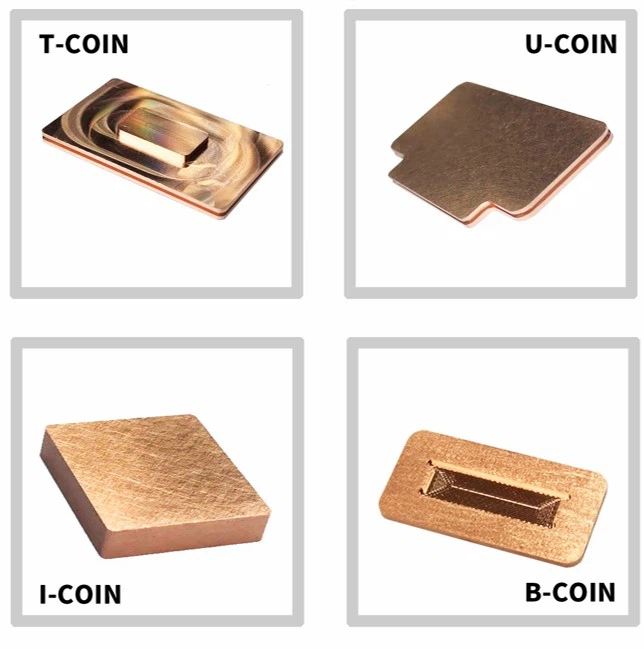
If you're interested in our Tinned Copper Rod, we also offer Free - cutting Copper Rod and Copper - based Heat Sinks. These products have their own unique features and applications, and they can complement your projects nicely.

If you're in the market for high - quality tinned copper rods or any of our other copper products, don't hesitate to reach out for a purchase negotiation. We're always ready to discuss your specific needs and provide you with the best solutions.
References
- ASM Handbook, Volume 5: Surface Engineering.
- Metals Handbook: Properties and Selection: Nonferrous Alloys and Pure Metals.
- Electroplating Engineering Handbook.