

As a seasoned supplier of rigid copper bars, I've witnessed firsthand the critical role that surface finish plays in the performance and application of these essential electrical components. In this blog, I'll delve into the intricacies of the surface finish of a typical rigid copper bar, exploring its significance, common types, and the impact it has on various industries.
The Significance of Surface Finish
The surface finish of a rigid copper bar is not merely a cosmetic feature; it has far-reaching implications for its functionality and longevity. A smooth and uniform surface finish ensures optimal electrical conductivity, minimizing resistance and reducing energy losses. This is particularly crucial in high-power applications where even the slightest increase in resistance can lead to significant power dissipation and overheating.
Moreover, a proper surface finish enhances the corrosion resistance of the copper bar, protecting it from environmental factors such as moisture, oxidation, and chemical exposure. This is especially important in harsh industrial environments or outdoor installations where the copper bar may be exposed to corrosive substances or extreme weather conditions.
In addition to electrical and corrosion resistance, the surface finish also affects the mechanical properties of the copper bar. A smooth surface reduces friction, making it easier to install and connect the copper bar to other components. It also improves the overall aesthetic appearance of the installation, which can be important in applications where visual appeal is a consideration.
Common Types of Surface Finish
There are several common types of surface finish used for rigid copper bars, each with its own unique characteristics and applications. The choice of surface finish depends on a variety of factors, including the specific requirements of the application, the environment in which the copper bar will be used, and the desired level of performance.
Bare Copper Finish
The most basic and common surface finish for rigid copper bars is the bare copper finish. This finish involves simply leaving the copper bar in its natural state, without any additional coating or treatment. Bare copper has excellent electrical conductivity and is relatively inexpensive, making it a popular choice for many applications.
However, bare copper is prone to oxidation and corrosion, especially in humid or corrosive environments. Over time, the surface of the copper bar may develop a greenish patina, which can reduce its electrical conductivity and aesthetic appeal. To mitigate these issues, bare copper bars may be coated with a thin layer of protective oil or wax to prevent oxidation.
Tin Plating
Tin plating is a popular surface finish for rigid copper bars, especially in applications where corrosion resistance and solderability are important. Tin is a soft, malleable metal that forms a protective layer on the surface of the copper bar, preventing oxidation and corrosion. It also provides a smooth, uniform surface that is easy to solder, making it ideal for electrical connections.
Tin plating can be applied to the copper bar using a variety of methods, including electroplating, hot-dipping, and electroless plating. The thickness of the tin plating can vary depending on the specific requirements of the application, but typically ranges from a few microns to several tens of microns.
Nickel Plating
Nickel plating is another common surface finish for rigid copper bars, particularly in applications where high corrosion resistance and wear resistance are required. Nickel is a hard, durable metal that forms a protective layer on the surface of the copper bar, preventing oxidation, corrosion, and wear. It also provides a smooth, uniform surface that is resistant to scratching and abrasion.
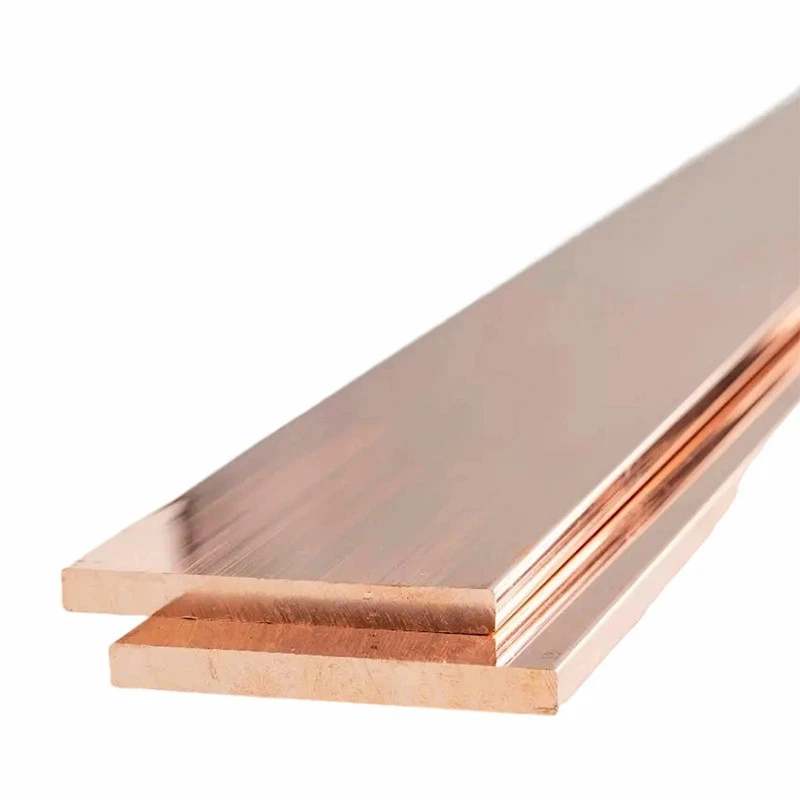

Nickel plating can be applied to the copper bar using a variety of methods, including electroplating and electroless plating. The thickness of the nickel plating can vary depending on the specific requirements of the application, but typically ranges from a few microns to several tens of microns.
Silver Plating
Silver plating is a high-performance surface finish for rigid copper bars, especially in applications where excellent electrical conductivity and corrosion resistance are required. Silver is the most conductive metal known, with a conductivity that is even higher than copper. It also has excellent corrosion resistance, making it ideal for use in harsh environments.
Silver plating can be applied to the copper bar using a variety of methods, including electroplating and electroless plating. The thickness of the silver plating can vary depending on the specific requirements of the application, but typically ranges from a few microns to several tens of microns.
Impact on Various Industries
The surface finish of a rigid copper bar has a significant impact on its performance and application in various industries. Here are some examples of how different surface finishes are used in different industries:
Electrical Industry
In the electrical industry, rigid copper bars are widely used for power distribution, electrical grounding, and electrical connections. The surface finish of the copper bar plays a crucial role in ensuring optimal electrical conductivity and reliability. Bare copper bars are commonly used in low-voltage applications where cost is a major consideration, while tin-plated or silver-plated copper bars are preferred in high-voltage applications where corrosion resistance and electrical conductivity are critical.
Automotive Industry
In the automotive industry, rigid copper bars are used for battery connections, electrical grounding, and power distribution. The surface finish of the copper bar is important for ensuring reliable electrical connections and preventing corrosion. Tin-plated or nickel-plated copper bars are commonly used in automotive applications due to their excellent corrosion resistance and solderability.
Telecommunications Industry
In the telecommunications industry, rigid copper bars are used for power distribution, electrical grounding, and signal transmission. The surface finish of the copper bar is important for ensuring optimal electrical conductivity and signal quality. Silver-plated copper bars are commonly used in high-speed telecommunications applications due to their excellent electrical conductivity and corrosion resistance.
Industrial Manufacturing Industry
In the industrial manufacturing industry, rigid copper bars are used for a variety of applications, including electrical equipment, machinery, and automation systems. The surface finish of the copper bar is important for ensuring reliable electrical connections and preventing corrosion. Nickel-plated or tin-plated copper bars are commonly used in industrial applications due to their excellent corrosion resistance and wear resistance.
Conclusion
In conclusion, the surface finish of a typical rigid copper bar is a critical factor that affects its performance, functionality, and longevity. The choice of surface finish depends on a variety of factors, including the specific requirements of the application, the environment in which the copper bar will be used, and the desired level of performance.
As a supplier of rigid copper bars, we offer a wide range of surface finishes to meet the diverse needs of our customers. Whether you need a bare copper finish for a low-cost application or a silver-plated finish for a high-performance application, we have the expertise and resources to provide you with the right solution.
If you're interested in learning more about our rigid copper bars or would like to discuss your specific requirements, please don't hesitate to [contact us]. We look forward to working with you to provide the best possible solution for your application.
References
- "Copper Busbars: Design, Installation, and Maintenance," IEEE Standard 141-1993.
- "Electroplating: Principles and Practices," Second Edition, by Lowenheim, F. A.
- "Corrosion Resistance of Metals and Alloys," Third Edition, by Fontana, M. G.