

Hey there! As a copper sheet supplier, I often get asked about the standard size of copper sheets. It's a pretty common question, and understandably so. After all, knowing the right size is crucial whether you're using copper sheets for construction, electronics, art, or any other application. In this blog, I'll break down the standard sizes and some factors that might influence your choice.
Let's start with the basics. Copper sheets come in a variety of sizes, and there isn't a one - size - fits - all answer. The size you'll need depends on what you're planning to do with it.
Standard Thickness
The thickness of copper sheets is usually measured in millimeters (mm) or ounces per square foot (oz/ft²). In the metric system, common thicknesses range from 0.1 mm to 6 mm. Thinner sheets, around 0.1 - 0.5 mm, are often used in electronics, like making printed circuit boards. They're flexible and can be easily cut and shaped to fit the intricate designs of electronic components.
For example, if you're working on a small DIY electronics project, a 0.2 mm thick copper sheet would be a great choice. It's thin enough to be bent and soldered without much hassle. On the other hand, thicker sheets, say 3 - 6 mm, are used in construction and industrial applications. They're strong and durable, able to withstand more wear and tear.

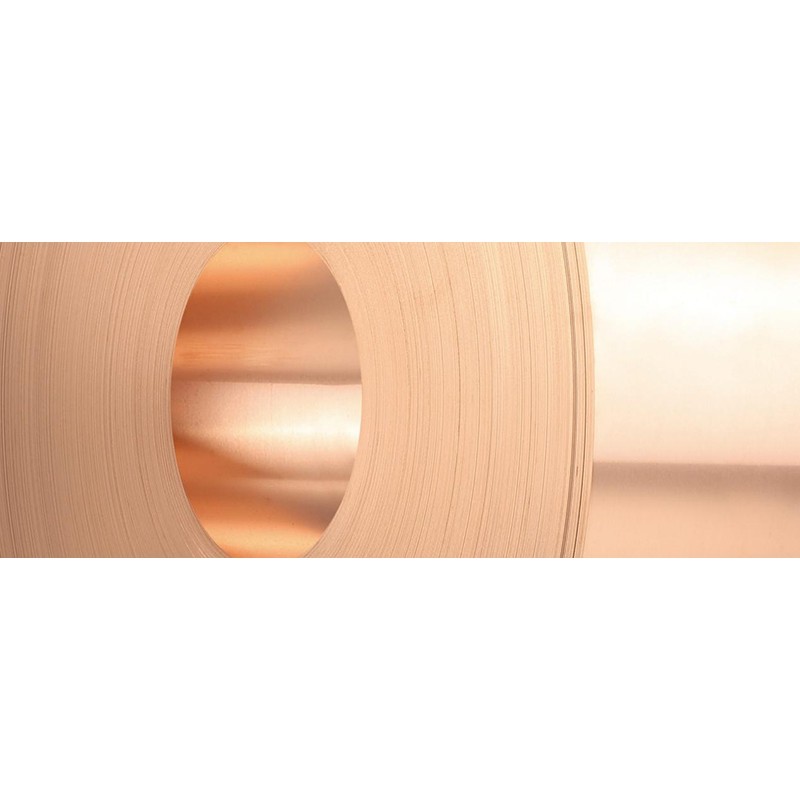
In the imperial system, the thickness is often expressed in ounces per square foot. A 1 oz/ft² copper sheet is approximately 0.035 mm thick. This unit of measurement is more commonly used in the electronics industry in some regions.
Standard Width and Length
When it comes to width and length, copper sheets also have a wide range of options. In general, standard widths can be anywhere from 300 mm to 2000 mm, and lengths can range from 1000 mm to 6000 mm.
For smaller projects or when you need to transport the sheets easily, a width of 300 - 600 mm and a length of 1000 - 2000 mm might be ideal. These smaller sizes are more manageable and can be easily cut down to the exact dimensions you need.
However, for large - scale construction or industrial projects, you might need wider and longer sheets. A width of 1200 - 2000 mm and a length of 3000 - 6000 mm can cover more area at once, reducing the number of seams and joints. This not only saves time during installation but also improves the overall strength and appearance of the finished product.
Different Types of Copper Sheets and Their Sizes
There are several types of copper sheets available, each with its own unique properties and potential sizes.
- Oxygen - free Copper Sheet: This type of copper sheet is highly pure and has excellent electrical conductivity. It's commonly used in the electronics and telecommunications industries. You can find Oxygen - free Copper Sheet in a variety of standard sizes, with thicknesses ranging from 0.05 mm to 5 mm, widths from 200 mm to 1500 mm, and lengths from 500 mm to 5000 mm. The high purity of this copper makes it ideal for applications where electrical performance is critical.
- Red Copper Sheet: Red copper sheets are known for their good corrosion resistance and malleability. They're often used in architecture, art, and some industrial applications. Red Copper Sheet can come in thicknesses from 0.2 mm to 8 mm, widths from 300 mm to 1800 mm, and lengths from 1000 mm to 6000 mm. Their reddish - brown color also gives them an aesthetic appeal, making them a popular choice for decorative purposes.
- High Purity Copper Sheet: As the name suggests, high purity copper sheets have a very high level of purity, which results in excellent thermal and electrical conductivity. They're used in high - end electronics, aerospace, and some scientific research applications. High Purity Copper Sheet is available in thicknesses from 0.1 mm to 5 mm, widths from 200 mm to 1600 mm, and lengths from 500 mm to 4000 mm. The strict quality control in producing these sheets ensures consistent performance.
Factors Affecting Size Selection
Apart from the application, there are other factors that can influence the size of copper sheets you choose.
- Cost: Generally, larger sheets are more cost - effective per square meter. However, if you only need a small amount, buying a large sheet might result in a lot of waste. So, it's important to calculate how much copper you actually need and choose the size accordingly.
- Transportation and Storage: If you have limited space for storage or face challenges in transporting large sheets, smaller sizes might be a better option. You can always cut and join smaller sheets to get the desired size on - site.
- Fabrication Requirements: Some fabrication processes, like bending or stamping, might require specific sheet sizes. For example, if you're using a particular bending machine, it might have a maximum width and length capacity that you need to consider.
Custom Sizes
If the standard sizes don't meet your requirements, don't worry! Many copper sheet suppliers, including us, offer custom - sized sheets. We can cut the copper sheets to your exact specifications, whether it's a non - standard thickness, width, or length. This gives you the flexibility to work on unique projects without having to compromise on size.
Contact for Procurement
If you're in the market for copper sheets and have questions about the right size for your project, or if you're interested in our custom - sizing services, feel free to reach out. We're here to help you make the best choice and ensure you get the highest - quality copper sheets for your needs. Whether it's a small DIY project or a large - scale industrial application, we've got you covered.
References
- "Copper Handbook: Properties, Applications, and Production" by John C. Bravman
- Industry standards and guidelines from copper manufacturing associations.