

Hey there! As a supplier of tinned copper rods, I've been in the industry for quite a while, and I often get asked about what the standard for tinned copper rod quality is. So, I thought I'd share some insights on this topic.
First off, let's talk about the basics. Tinned copper rods are widely used in various industries, such as electrical, electronics, and telecommunications. They're known for their excellent electrical conductivity, corrosion resistance, and solderability. But not all tinned copper rods are created equal, and there are several key factors that determine their quality.
Chemical Composition
The chemical composition of a tinned copper rod is crucial. The base copper should have a high purity level. Usually, copper with a purity of 99.9% or higher is preferred. This high - purity copper ensures good electrical conductivity. Impurities like iron, sulfur, and oxygen can significantly affect the performance of the rod. For example, iron can reduce the electrical conductivity, while sulfur can cause embrittlement.
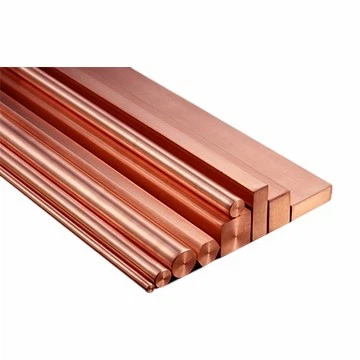

When it comes to the tin coating, the tin should also be of high quality. The tin layer provides the corrosion - resistant property. A good tin coating should be uniform in thickness and free from any contaminants. If there are impurities in the tin layer, it can lead to premature corrosion and affect the overall lifespan of the rod.
Physical Properties
- Diameter and Tolerance
The diameter of the tinned copper rod is an important physical property. It needs to meet the specified requirements. For example, in some electrical applications, a precise diameter is necessary for proper fitting and connection. The tolerance of the diameter is also crucial. A tight tolerance means that the rods are more consistent in size, which is beneficial for mass production processes. Our Precision Extrusion Rod is designed to have very precise diameters and tight tolerances, ensuring high - quality performance in various applications. - Surface Finish
The surface finish of the tinned copper rod should be smooth and free from scratches, pits, or other defects. A rough surface can not only affect the appearance but also the functionality. For instance, in soldering applications, a rough surface may prevent proper wetting of the solder, leading to poor connections. A good surface finish also helps in reducing friction during handling and installation. - Length and Straightness
The length of the rod should be accurate as per the customer's requirements. Additionally, the rod should be straight. A bent or curved rod can cause problems during installation and may not fit properly in the intended application. Straightness is especially important in applications where the rod needs to be inserted into tight spaces or used in automated production lines.
Electrical Properties
- Conductivity
As mentioned earlier, electrical conductivity is one of the most important properties of tinned copper rods. High - conductivity rods are essential for efficient power transmission. The conductivity is mainly determined by the purity of the copper base. Any impurities in the copper can increase the electrical resistance, which in turn leads to power losses. In electrical systems, even a small increase in resistance can result in significant energy wastage over time. - Insulation Resistance (if applicable)
In some cases, tinned copper rods may be used in applications where insulation resistance is also a concern. For example, in certain electronic circuits, the rod needs to maintain a certain level of insulation to prevent short - circuits. The tin coating and any additional insulation materials used should be able to provide the required insulation resistance.
Mechanical Properties
- Tensile Strength
Tensile strength refers to the maximum amount of tensile stress that a rod can withstand before breaking. In applications where the rod is subjected to pulling or stretching forces, high tensile strength is necessary. For example, in overhead power lines, the tinned copper rods need to have sufficient tensile strength to support their own weight and any additional loads, such as wind or ice. - Ductility
Ductility is the ability of the rod to be deformed without breaking. A ductile tinned copper rod can be easily bent, shaped, or drawn into wires. This property is important in manufacturing processes where the rod needs to be formed into different shapes. For example, in the production of electrical coils, the rod needs to be wound tightly, and good ductility ensures that it can be wound without cracking or breaking.
Coating Quality
- Thickness and Adhesion
The thickness of the tin coating is critical. If the coating is too thin, it may not provide adequate corrosion protection. On the other hand, if it's too thick, it can add unnecessary weight and cost. The tin coating should also adhere well to the copper base. Poor adhesion can cause the tin layer to peel off over time, exposing the copper to corrosion. - Uniformity
The tin coating should be uniform across the entire surface of the rod. Uneven coating can lead to inconsistent corrosion resistance and appearance. A uniform coating also ensures that the electrical and mechanical properties of the rod are consistent throughout its length.
Testing and Certification
To ensure the quality of tinned copper rods, proper testing and certification are essential. We conduct a series of tests on our products, including chemical analysis, electrical conductivity tests, tensile strength tests, and coating thickness measurements. Our products are also certified to meet international standards, such as ASTM (American Society for Testing and Materials) and IEC (International Electrotechnical Commission) standards. These certifications give our customers confidence in the quality of our tinned copper rods.
Other Rods in Our Product Line
Apart from tinned copper rods, we also offer other types of rods, such as Copper Steel Rod and Lead Brass Rod. These rods have their own unique properties and applications. Copper steel rods combine the strength of steel with the conductivity of copper, making them suitable for applications where both strength and electrical conductivity are required. Lead brass rods, on the other hand, are known for their excellent machinability and are often used in applications where complex shapes need to be machined.
Conclusion
In conclusion, the standard for tinned copper rod quality is determined by a combination of chemical composition, physical properties, electrical properties, mechanical properties, and coating quality. By ensuring that our tinned copper rods meet these high - quality standards, we can provide our customers with reliable products that perform well in various applications.
If you're in the market for high - quality tinned copper rods or any of our other rod products, I encourage you to get in touch with us for a procurement discussion. We're always happy to answer your questions and work with you to find the best solutions for your specific needs.
References
- ASTM International Standards on Copper Products
- IEC Standards for Electrical Conductors