

As a copper bar supplier, I've witnessed firsthand the importance of understanding the corrosion resistance of copper bars. In various industries, from electrical engineering to construction, the durability and performance of copper bars are directly related to their ability to resist corrosion. This blog post aims to explore what corrosion resistance means for copper bars, the factors influencing it, and how it impacts different applications.
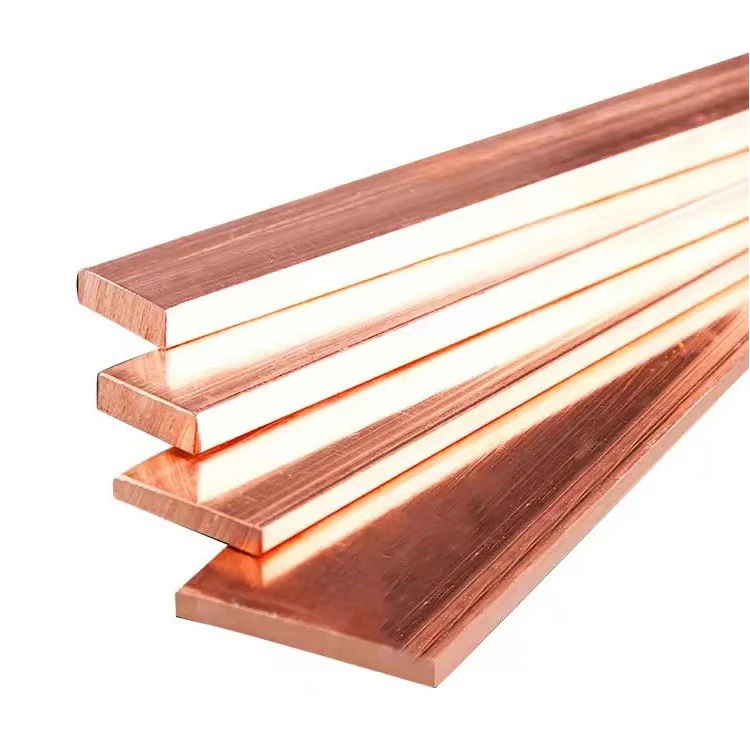
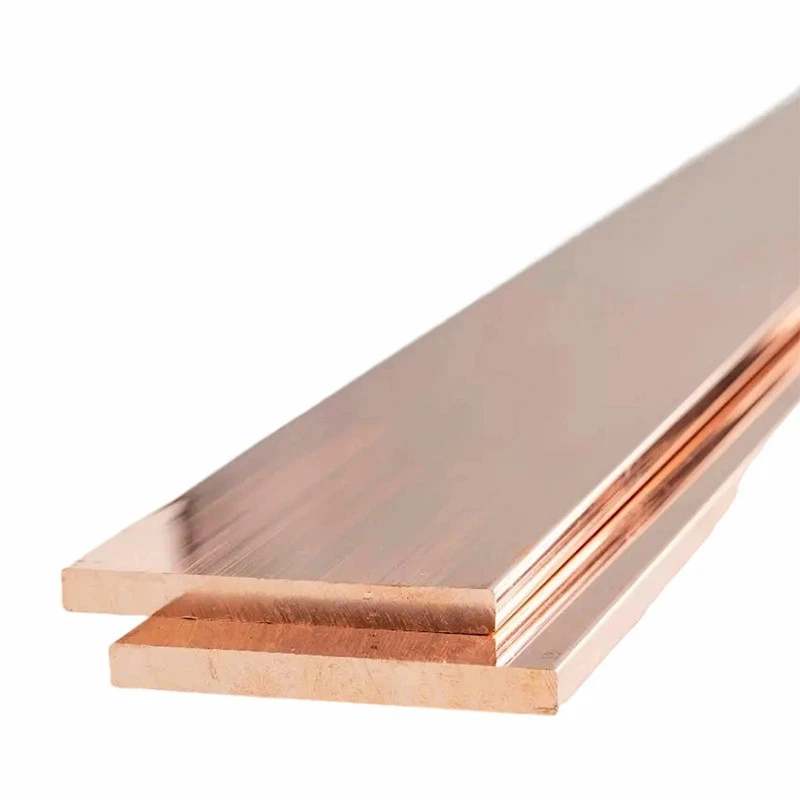
What is Corrosion Resistance?
Corrosion is a natural process that occurs when a metal reacts with its environment, leading to the deterioration of the metal's properties. For copper bars, corrosion resistance refers to the ability of the copper to withstand these chemical reactions and maintain its integrity over time. A highly corrosion - resistant copper bar will have a longer lifespan, better electrical conductivity, and reduced maintenance requirements.
Factors Affecting the Corrosion Resistance of Copper Bars
1. Purity of Copper
The purity of copper plays a crucial role in its corrosion resistance. Higher - purity copper, such as oxygen - free copper, generally has better corrosion resistance. Oxygen - free copper contains very low levels of oxygen and other impurities, which reduces the likelihood of oxidation and other forms of corrosion. Our Oxygen - free Copper Busbar is made from high - purity copper, ensuring excellent corrosion resistance in various environments.
2. Alloying Elements
Sometimes, small amounts of alloying elements are added to copper to enhance its properties, including corrosion resistance. For example, adding elements like nickel or tin can improve the copper bar's resistance to specific types of corrosion. These alloyed copper bars are often used in more demanding environments where standard copper may not be sufficient.
3. Environmental Conditions
The environment in which the copper bar is used has a significant impact on its corrosion resistance. In a dry and clean environment, copper bars are less likely to corrode. However, in humid, acidic, or salty environments, the corrosion rate can increase significantly. For instance, copper bars used in coastal areas are exposed to saltwater, which can accelerate corrosion. In industrial settings with high levels of pollutants, the copper may also be more prone to corrosion.
4. Surface Treatment
Surface treatments can also improve the corrosion resistance of copper bars. Coatings such as tin plating or epoxy coating can act as a barrier between the copper and the environment, preventing direct contact and reducing the risk of corrosion. These treatments are especially useful in applications where the copper bar is exposed to harsh conditions.
Corrosion Resistance in Different Applications
1. Electrical Applications
In electrical applications, copper bars are widely used as busbars due to their excellent electrical conductivity. Corrosion can significantly affect the electrical performance of copper bars. A corroded copper bar may have increased resistance, which can lead to power losses and overheating. Our High Conductivity Copper Busbar is designed to have high corrosion resistance to ensure stable electrical performance over a long period. This is crucial in power distribution systems, electrical panels, and other electrical equipment where reliability is essential.
2. Construction Applications
In construction, copper bars are used for various purposes, such as structural support and decorative elements. Corrosion resistance is important to maintain the appearance and structural integrity of these elements. Copper bars used in outdoor construction projects need to withstand different weather conditions, including rain, snow, and sunlight. A corrosion - resistant copper bar will not only look better but also last longer, reducing the need for frequent replacements.
3. Industrial Applications
In industrial settings, copper bars may be exposed to various chemicals and harsh environments. For example, in the chemical industry, copper bars may come into contact with acids, alkalis, or other corrosive substances. A copper bar with high corrosion resistance is essential to ensure the safety and efficiency of industrial processes. Our Customize High Quality Copper Bar can be tailored to meet the specific corrosion - resistance requirements of different industrial applications.
Testing and Evaluation of Corrosion Resistance
To ensure the quality and corrosion resistance of our copper bars, we conduct various tests. One common test is the salt spray test, where the copper bar is exposed to a salt - laden mist for a certain period. The appearance and performance of the copper bar after the test are then evaluated to determine its corrosion resistance. Other tests may include immersion tests in different chemical solutions and electrochemical tests to measure the corrosion rate.
Maintaining the Corrosion Resistance of Copper Bars
Even with high - quality copper bars, proper maintenance is still necessary to ensure long - term corrosion resistance. Regular cleaning can remove dirt, dust, and other contaminants that may accelerate corrosion. In some cases, applying a protective coating or lubricant can also help to maintain the corrosion resistance of the copper bar.
Conclusion
The corrosion resistance of copper bars is a critical factor that affects their performance and lifespan in various applications. As a copper bar supplier, we are committed to providing high - quality copper bars with excellent corrosion resistance. Our products, such as the Oxygen - free Copper Busbar, High Conductivity Copper Busbar, and Customize High Quality Copper Bar, are designed to meet the diverse needs of our customers.
If you are interested in purchasing copper bars for your project, we invite you to contact us for more information and to discuss your specific requirements. We look forward to working with you to provide the best copper bar solutions for your application.
References
- Fontana, M. G. (1986). Corrosion Engineering. McGraw - Hill.
- Uhlig, H. H., & Revie, R. W. (1985). Corrosion and Corrosion Control. Wiley - Interscience.