

Hey there! I'm working with a copper coils supply business, and I know how frustrating it can be when you run into problems with copper coils. In this blog, I'll share some tips on how to troubleshoot those pesky issues.
1. Identifying the Problem
First things first, you gotta figure out what's actually wrong with the copper coil. There are a few common problems that you might encounter.
Overheating
One of the most frequent issues is overheating. If your copper coil is getting too hot, it could be due to a few reasons. Maybe there's too much current flowing through it. Copper has a certain capacity to handle electrical current, and if you exceed that limit, it'll start to heat up. Another reason could be poor ventilation. If the coil is in an enclosed space with no proper air circulation, the heat can't escape, and the temperature will keep rising.
Short Circuits
A short circuit is another headache. This happens when the electrical current takes a shortcut and bypasses the normal path through the coil. It could be caused by damaged insulation. If the insulation around the copper wire gets worn out or damaged, the wire can come into contact with other conductive materials, creating a short circuit. You might notice a sudden drop in resistance or a significant increase in current flow when this happens.
Corrosion
Copper is generally quite resistant to corrosion, but it's not immune. Exposure to moisture, chemicals, or certain environmental conditions can cause the copper to corrode. Corrosion can lead to a decrease in the conductivity of the coil and can even cause physical damage to the wire. You'll probably see a greenish - brown layer on the surface of the copper, which is a tell - tale sign of corrosion.
2. Troubleshooting Steps
Overheating
- Check the Current Load: Use a multimeter to measure the current flowing through the coil. Compare the reading with the coil's rated current capacity. If it's higher, you might need to reduce the load. Maybe there are some other electrical devices sharing the same circuit that can be turned off or moved to another circuit.
- Improve Ventilation: Make sure the coil has enough space around it for air to circulate. You can add fans or vents to the enclosure if necessary. If the coil is in a confined space, consider relocating it to a more open area.
Short Circuits
- Inspect the Insulation: Carefully examine the insulation around the copper wire. Look for any signs of damage, such as cracks, cuts, or abrasions. If you find any damaged areas, you can try to repair the insulation using electrical tape or heat - shrink tubing. In some cases, if the damage is extensive, you might need to replace the entire coil.
- Check for Loose Connections: Loose connections can also cause short circuits. Make sure all the connections to the coil are tight and secure. You can use a screwdriver or a wrench to tighten any loose screws or terminals.
Corrosion
- Clean the Coil: If the corrosion is not too severe, you can clean the coil using a mild acid solution. A mixture of vinegar and water can work well. Soak a cloth in the solution and gently wipe the corroded areas. Rinse the coil thoroughly with water and dry it completely.
- Protect the Coil: After cleaning, you can apply a protective coating to the coil to prevent further corrosion. There are special anti - corrosion sprays available in the market that you can use.
3. Specific Coil Types and Their Troubleshooting
Jumbo Coil
Jumbo coils are large - sized copper coils that are often used in industrial applications. You can learn more about them Jumbo Coil. Due to their size, they can be more prone to overheating issues. When troubleshooting a jumbo coil, pay extra attention to the ventilation. Make sure the large surface area of the coil has proper air circulation. Also, since they usually carry a high current, check the current load regularly to avoid overheating.
Pancake Coil
Pancake coils have a flat, circular shape. You can find more details about them Pancake Coil. They are commonly used in electronics and small - scale applications. Short circuits can be a common problem with pancake coils because of their close - wound design. Check the insulation between the turns of the coil carefully. If there's any contact between the turns, it can cause a short circuit.
Flat Copper Coils
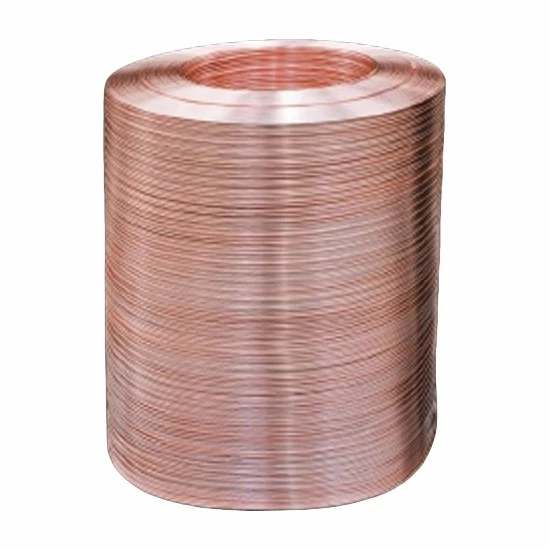
Flat copper coils, as the name suggests, have a flat shape. You can get more information about them Flat Copper Coils. They are often used in applications where space is limited. Corrosion can be a particular concern for flat copper coils, especially if they are used in humid environments. Regularly inspect the surface of the coil for signs of corrosion and take preventive measures as described above.
4. When to Replace the Coil
Sometimes, troubleshooting might not be enough, and you'll need to replace the copper coil. Here are some situations when replacement is necessary:

- Severe Damage: If the coil has suffered extensive physical damage, such as broken wires or a severely corroded structure, it's probably time for a new one.
- Repeated Problems: If you've tried all the troubleshooting steps and the coil keeps experiencing the same problems, it might be that the coil is defective or has reached the end of its lifespan.
5. Conclusion
Troubleshooting copper coil problems can be a bit of a challenge, but with the right knowledge and steps, you can often identify and fix the issues. Remember to always follow safety procedures when working with electrical components. If you're unsure about anything, it's best to consult a professional.
If you're in the market for high - quality copper coils, whether it's a Jumbo Coil, Pancake Coil, or Flat Copper Coils, we're here to help. We offer a wide range of copper coils that are reliable and built to last. Feel free to reach out to us for more information or to start a procurement discussion.
References
- Electrical Engineering Handbook: Covers basic electrical concepts, including copper coil characteristics and troubleshooting.
- Copper Development Association Publications: Provide in - depth information on copper properties, corrosion, and applications.