

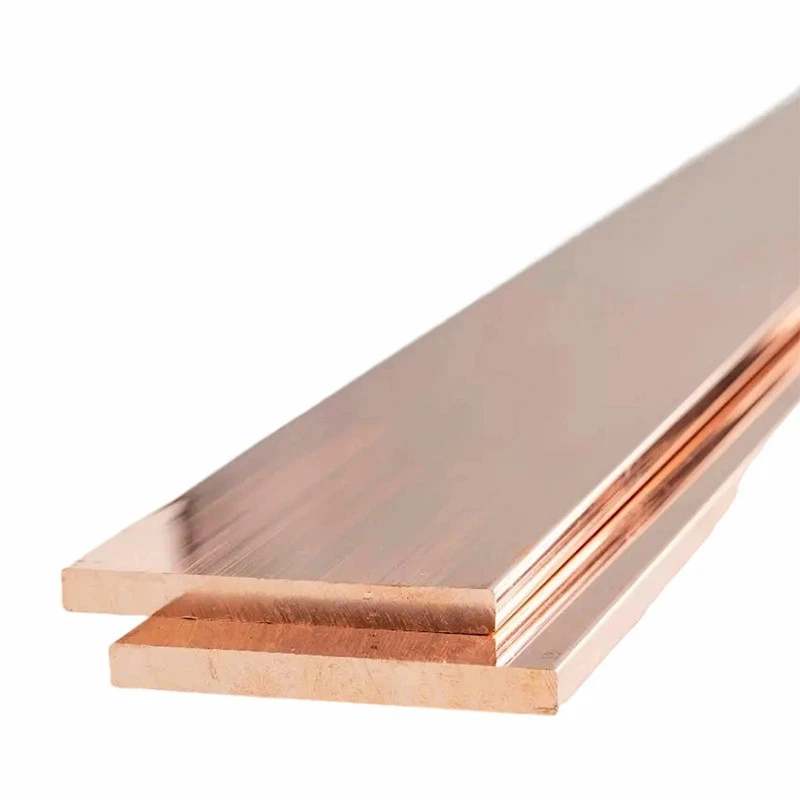
Shaping a rigid copper bar into a complex form is a multi - faceted process that combines artistry, engineering, and advanced manufacturing techniques. As a supplier of Rigid Copper Bar, I've witnessed firsthand the challenges and rewards associated with this transformation. In this blog, I'll delve into the step - by - step process of turning a simple rigid copper bar into a complex, functional piece.
Understanding the Properties of Rigid Copper Bars
Before we embark on the shaping process, it's crucial to understand the properties of rigid copper bars. Copper is a highly malleable and ductile metal, which means it can be easily deformed without breaking. It also has excellent electrical and thermal conductivity, making it a popular choice in various industries, including electrical engineering, automotive, and construction.
The purity of the copper can significantly impact its properties. For instance, Oxygen - free Copper Busbar is known for its high conductivity and resistance to corrosion. When shaping a rigid copper bar, the purity level will influence the tools and techniques we use.
Designing the Complex Form
The first step in shaping a rigid copper bar into a complex form is designing the desired shape. This involves working closely with the client to understand their requirements. Whether it's a custom - made electrical component or a decorative piece, the design phase is critical.
We use advanced computer - aided design (CAD) software to create a 3D model of the final product. This allows us to visualize the shape from all angles, identify potential issues, and make necessary adjustments before starting the manufacturing process. The CAD model also serves as a blueprint for the subsequent steps, ensuring precision and accuracy.
Selecting the Right Tools
Once the design is finalized, the next step is to select the appropriate tools for shaping the copper bar. The choice of tools depends on the complexity of the form, the thickness of the copper bar, and the desired finish.
For simple bends and curves, we often use hand - held tools such as pliers and bending jigs. These tools provide a high degree of control and are suitable for small - scale projects. However, for more complex shapes, we rely on industrial machinery. Hydraulic presses, for example, can apply a large amount of force to bend and shape the copper bar. CNC (Computer Numerical Control) machines are also commonly used. These machines can perform a variety of operations, including cutting, drilling, and milling, with high precision.
Preparing the Copper Bar
Before shaping the copper bar, it's essential to prepare it properly. This involves cleaning the bar to remove any dirt, grease, or oxidation on the surface. A clean surface ensures better adhesion of any coatings or finishes and prevents defects during the shaping process.

We also anneal the copper bar if necessary. Annealing is a heat - treatment process that softens the copper, making it more malleable. By heating the copper to a specific temperature and then slowly cooling it, we can relieve internal stresses and improve its ductility. This is particularly important when shaping the bar into complex forms, as it reduces the risk of cracking or breaking.
Shaping the Copper Bar
The actual shaping process begins once the copper bar is prepared. If the design requires bending, we use the selected tools to create the desired angles and curves. When using a hydraulic press, for example, we place the copper bar between the dies and apply pressure gradually. The dies are designed to match the shape of the bend, ensuring accuracy.
For more intricate shapes, we may use a combination of cutting and welding techniques. CNC machines can cut the copper bar into the required pieces with high precision. These pieces are then welded together to form the complex shape. TIG (Tungsten Inert Gas) welding is a popular choice for copper, as it produces a clean and strong weld.
Finishing the Product
After the copper bar has been shaped into the desired form, the next step is finishing. This involves smoothing the surface, removing any sharp edges, and applying a protective coating. Sanding and polishing are commonly used to achieve a smooth finish. We use different grits of sandpaper to gradually refine the surface, starting with a coarse grit to remove any rough spots and ending with a fine grit for a mirror - like finish.
Applying a protective coating is also important to prevent corrosion and enhance the appearance of the product. There are various types of coatings available, including electroplating, powder coating, and painting. The choice of coating depends on the application and the client's requirements.
Quality Control
Quality control is an integral part of the process of shaping a rigid copper bar into a complex form. We have a comprehensive quality control system in place to ensure that the final product meets the highest standards. This includes inspecting the raw materials, monitoring the manufacturing process, and conducting final inspections of the finished product.
We use a variety of inspection tools, such as calipers, micrometers, and coordinate measuring machines (CMMs), to measure the dimensions of the product and ensure they are within the specified tolerances. Non - destructive testing methods, such as ultrasonic testing and X - ray inspection, are also used to detect any internal defects.
Customization and Flexibility
One of the advantages of being a Rigid Copper Bar supplier is our ability to offer customization. We understand that different clients have different needs, and we are committed to providing Customize High Quality Copper Bar solutions. Whether it's a unique shape, a specific size, or a special finish, we can work with you to bring your vision to life.
Our team of experienced engineers and technicians is always ready to take on new challenges and develop innovative solutions. We stay up - to - date with the latest manufacturing technologies and techniques to ensure that we can meet the most demanding requirements.
Conclusion
Shaping a rigid copper bar into a complex form is a challenging but rewarding process. It requires a combination of technical expertise, advanced tools, and attention to detail. As a Rigid Copper Bar supplier, we are dedicated to providing high - quality, customized solutions to our clients.
If you have a project that requires shaping a rigid copper bar into a complex form, we'd love to hear from you. Our team is ready to work with you from the design phase to the final product, ensuring that you get the best possible result. Contact us today to discuss your requirements and start the journey of turning your ideas into reality.
References
- ASM Handbook Volume 6: Welding, Brazing, and Soldering. ASM International.
- Metals Handbook Desk Edition, Third Edition. ASM International.
- Manufacturing Engineering and Technology, Fifth Edition. Serope Kalpakjian and Steven Schmid.