

Does copper foil have good ductility?
As a copper foil supplier, I've often been asked about the ductility of copper foil. Ductility is a crucial property in materials, especially in applications where the material needs to be shaped or formed without breaking. In this blog, I'll explore the ductility of copper foil, its influencing factors, and its implications in various industries.
What is Ductility?
Ductility is the ability of a material to be stretched into a wire or deformed plastically under tensile stress without fracturing. It is typically measured by the percentage of elongation a material can undergo before breaking. A highly ductile material can be drawn into thin wires or sheets without significant cracking or splitting.
The Ductility of Copper Foil
Copper is well - known for its excellent ductility, and copper foil inherits this property. Copper has a face - centered cubic (FCC) crystal structure, which allows its atoms to slide past one another relatively easily when a force is applied. This atomic arrangement enables copper foil to be stretched and deformed without immediate failure.
The ductility of copper foil is affected by several factors:
- Purity: High - purity copper foils generally have better ductility. Impurities in copper can disrupt the regular crystal structure, making it more difficult for the atoms to slide. For example, if there are small amounts of sulfur or oxygen in the copper, they can form compounds that act as barriers to atomic movement, reducing the overall ductility of the foil.
- Thickness: Thinner copper foils tend to be more ductile than thicker ones. This is because in thinner foils, there are fewer internal defects and less stress concentration during deformation. A thin copper foil can be bent and stretched more easily without developing cracks compared to a thick one.
- Manufacturing Process: The way copper foil is produced also impacts its ductility. Rolled Copper Foil is made by repeatedly rolling copper between large rollers. This process aligns the crystal grains in the copper, which can enhance its ductility. On the other hand, Hard Drawn Copper Foil undergoes a drawing process where the copper is pulled through a die. This can increase the strength of the foil but may reduce its ductility to some extent.
Applications of Copper Foil's Ductility
The good ductility of copper foil makes it suitable for a wide range of applications:
- Electronics Industry: In printed circuit boards (PCBs), copper foil is used as the conductive layer. The ability to bend and shape the PCB during the manufacturing process and installation requires the copper foil to have good ductility. The thin copper foils used in flexible PCBs can be bent and folded multiple times without losing their electrical conductivity, thanks to their high ductility.
- Battery Manufacturing: Copper foil is used as the current collector in lithium - ion batteries. During the battery assembly process, the foil needs to be wound tightly into the battery cell. The ductility of the copper foil ensures that it can be wound without cracking, which is essential for the proper functioning and safety of the battery.
- Heat Dissipation: Radiator Copper Foil is used in heat sinks and radiators. The ductility of the foil allows it to be formed into complex shapes to maximize the surface area for heat transfer. It can be bent and shaped around electronic components to ensure efficient heat dissipation.
Testing the Ductility of Copper Foil
There are several standard tests to measure the ductility of copper foil. One common method is the tensile test. In a tensile test, a sample of copper foil is clamped at both ends and slowly pulled until it breaks. The amount of elongation before fracture is measured, and this value is used to calculate the percentage elongation, which is an indicator of the foil's ductility.

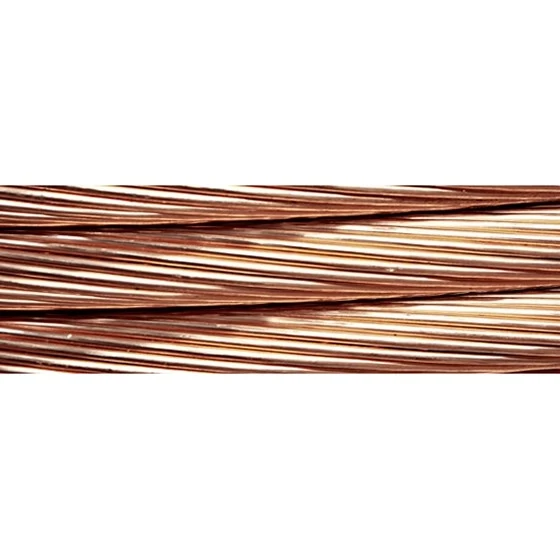
Another test is the bending test. In this test, the copper foil is bent at a specific angle and radius multiple times. The number of bends the foil can withstand without cracking is recorded. A higher number of bends indicates better ductility.
Conclusion
In conclusion, copper foil generally has good ductility, which is influenced by factors such as purity, thickness, and manufacturing process. This property makes it an ideal material for a variety of applications in the electronics, battery, and heat dissipation industries.
If you are in need of high - quality copper foil with excellent ductility for your specific application, I encourage you to contact us for procurement and further discussions. We have a wide range of copper foil products to meet your diverse needs.
References
- ASM Handbook Volume 2: Properties and Selection: Nonferrous Alloys and Special - Purpose Materials. ASM International.
- Metals Handbook Desk Edition, 3rd Edition. ASM International.
- "Copper and Copper Alloys" by C. L. Mantell. McGraw - Hill.